
Decoding geolocation verification protocols in Britain's licensed app-based roulette systems and their role in maintaining fair play standards
Geolocation verification protocols form a core component of Britain's licensed app-based roulette systems, where operators deploy layered technical checks to confirm that players remain within permitted jurisdictions during active sessions. These protocols combine GPS data from mobile devices with IP address analysis and WiFi network triangulation, creating multiple verification points that must align before a roulette game launches or continues. Data from regulatory filings shows that such systems process location signals every few seconds during play, flagging any deviation that could indicate a user has crossed into an unlicensed area.
Core components of verification layers
Systems begin with device-level GPS readings that supply precise coordinates, yet operators layer additional checks because satellite signals alone can face interference in urban environments or indoor settings. IP address mapping cross-references the reported location against known network providers, while WiFi triangulation uses signal strength from nearby access points to narrow coordinates further. Research from international gaming oversight bodies indicates that combining these methods reduces false positives and strengthens compliance records across mobile platforms operating in Britain.
November 2026 marks the scheduled rollout of updated technical standards for several European operators, requiring enhanced encryption on all location data streams to align with evolving data protection rules. Those standards affect how app-based roulette systems store and transmit verification logs, ensuring audit trails remain intact for review by licensing authorities.
Integration with fair play enforcement
Fair play standards rely on these protocols because they restrict access to games only for users inside Britain's licensed market, preventing participation from jurisdictions where the operator holds no authorization. When a location mismatch occurs, the system pauses gameplay and prompts re-verification, a process documented in operator compliance reports submitted to multiple oversight agencies. Evidence from industry audits reveals that consistent application of geolocation checks correlates with fewer instances of unauthorized play across mobile roulette titles.
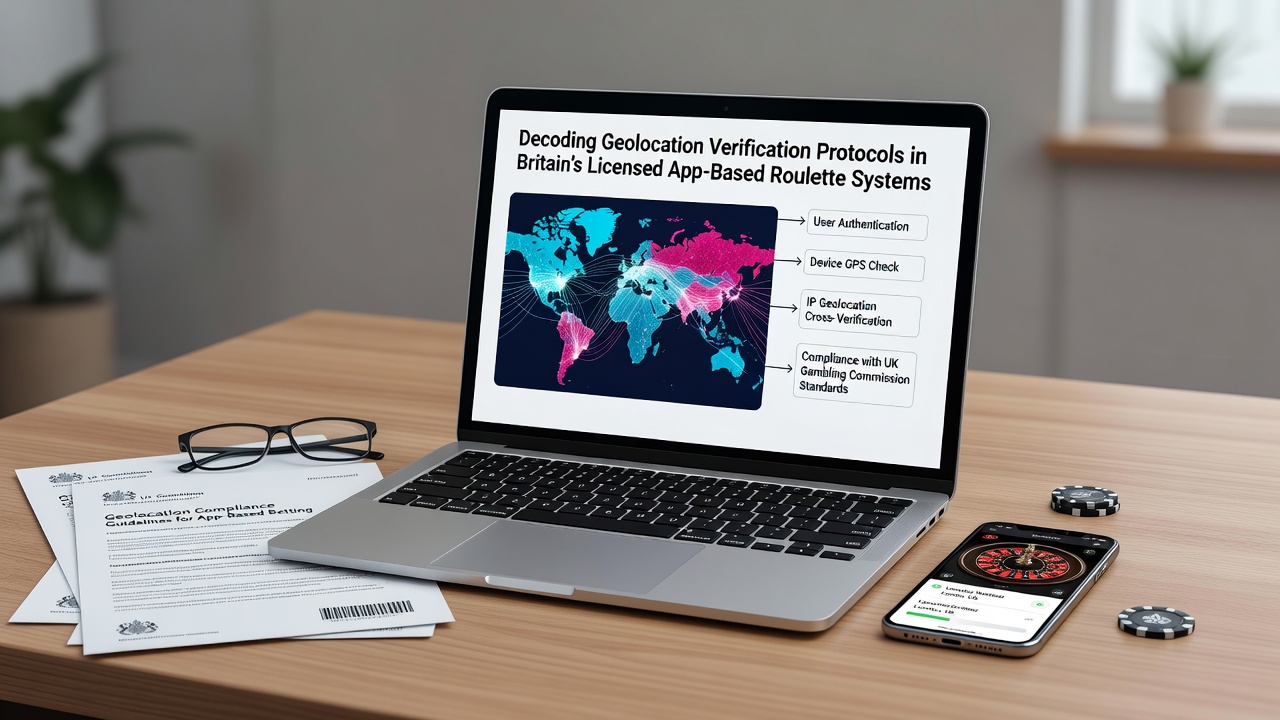
Operators also integrate behavioral signals, such as sudden changes in connection speed or repeated verification failures, which can trigger additional manual review steps. According to findings from the National Conference of State Legislatures, similar multi-factor systems in other regulated markets have lowered rates of location spoofing attempts by measurable margins. Britain's app developers apply comparable techniques, though they adapt them to local network infrastructure and device prevalence patterns.
Technical challenges and mitigation approaches
Urban canyons and dense building materials can weaken GPS accuracy, prompting systems to fall back on cellular tower data and WiFi mapping for continuity. Developers address these gaps through real-time algorithm adjustments that weigh signal reliability scores before accepting a location fix. Studies published by academic research centers in Australia highlight how hybrid verification models maintain session integrity even when primary signals fluctuate, offering lessons that British operators have incorporated into their roulette platforms.
Encryption protects the data pathway from device to server, while regular penetration testing identifies vulnerabilities that could allow location manipulation. Figures released by the Canadian Centre on Substance Use and Addiction on cross-border gaming compliance show that encrypted verification channels reduce successful spoofing incidents when paired with frequent server-side checks.
Regulatory alignment and reporting
Licensed operators submit periodic reports detailing verification success rates, failed attempts, and any detected circumvention efforts. These submissions cover both routine operations and periods of heightened activity, such as major sporting events that drive increased mobile roulette traffic. Observers note that transparent reporting helps regulators assess whether protocols continue to meet the standards set for maintaining market integrity.
Conclusion
Geolocation verification protocols underpin the operational framework of Britain's licensed app-based roulette systems by confirming user location through coordinated technical checks that support fair play requirements. Continued refinement of these methods, including adaptations scheduled for November 2026, ensures alignment with broader regulatory expectations while addressing practical challenges posed by mobile environments. Data from multiple oversight sources confirms that layered verification contributes directly to restricting access to authorized users and sustaining compliance across the sector.