
Genting UK Flags Potential Closures for One-Third of Casino Sites Over Proposed Machine Games Duty Increase
Paul Willcock, chief executive of Genting UK, has warned that 13 of the company's 32 casino venues across the country would become unprofitable or unsustainable if the government raises Machine Games Duty from 20 percent to 40 percent in the October 28 Budget; such an increase would place more than one-third of the sites at risk of closure while endangering around 900 jobs and imposing an annual cost of roughly £16 million on the business, a figure that exceeds its £13.5 million post-tax profit from the previous year.
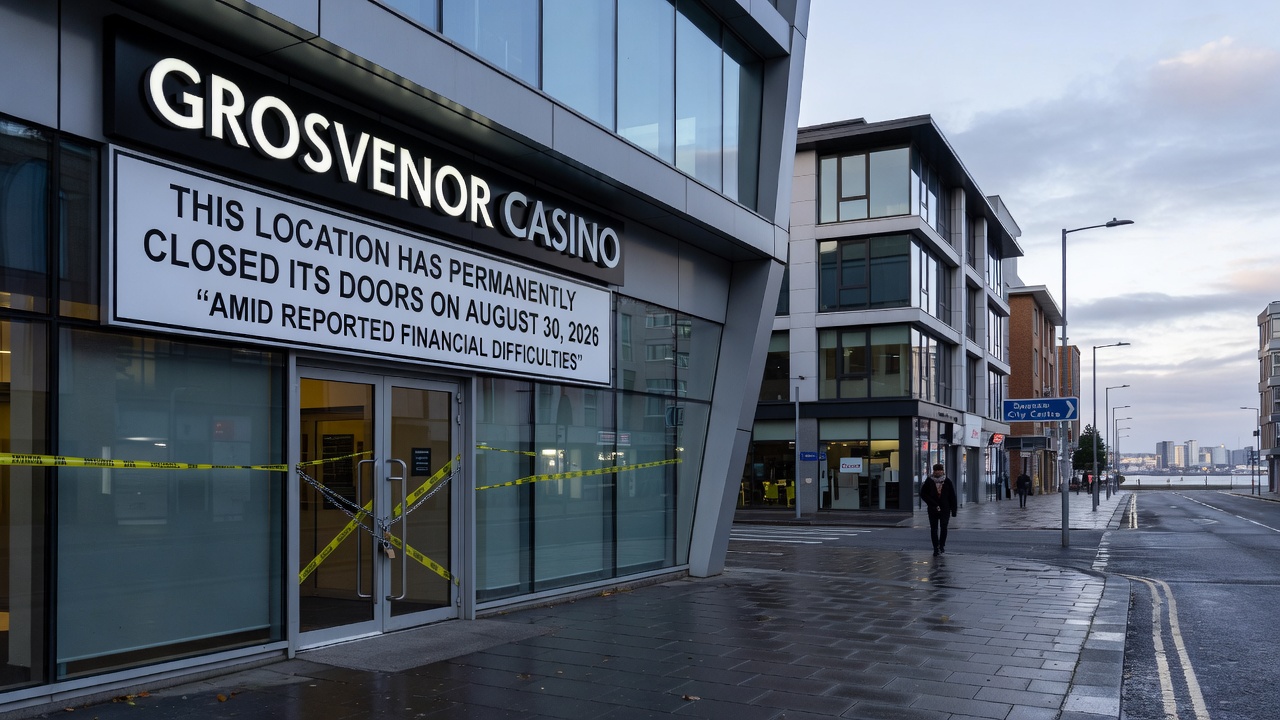
The statement arrives amid ongoing speculation that Chancellor John Healey may implement the higher rate on slot machines and similar terminals, a move first floated by a think tank in July; Willcock's comments follow parallel alerts issued by Rank Group, the owner of Grosvenor Casinos, which has also highlighted the pressure a doubled duty would exert on its operations.
Details of the Financial Impact
Under the current 20 percent rate, Genting UK's venues have maintained a narrow margin that supports continued trading at all 32 locations, yet doubling the duty would shift the economics sharply because terminals generate the majority of revenue at many sites; analysts tracking the sector note that fixed costs such as rent, staffing, and regulatory compliance remain constant, so any sudden rise in taxation directly erodes the surplus available to keep marginal venues open.
Willcock pointed out that the projected £16 million annual hit would surpass the entire post-tax profit recorded last year, leaving the company without sufficient funds to absorb the change while preserving its full estate; the 13 affected sites employ a combined workforce whose roles range from croupiers and cashiers to security and maintenance staff, and closure would remove those positions from local economies that already face elevated unemployment in some regions.
Industry Context and Parallel Warnings
Rank Group's earlier submission to the Treasury echoed the same arithmetic, illustrating how the duty hike would affect Grosvenor-branded casinos that similarly rely on machine income to subsidize table games and hospitality offerings; both operators have supplied the government with venue-by-venue profitability models showing that roughly one in three locations would cross into loss-making territory once the rate reaches 40 percent.
Those models incorporate current player volumes, average stake sizes, and payout percentages, all of which remain publicly reported through regulatory filings; the figures reveal that even modest declines in machine revenue would compound the tax effect, because the duty is levied on gross gaming yield rather than on net profit.
Timeline and Policy Background
The October 28 Budget date has focused attention on fiscal measures that could address the public finances, and the Machine Games Duty proposal sits within a broader review of gambling taxation that began earlier in the year; the think-tank paper published in July set out the rationale for aligning the slot-machine rate with other gambling duties, yet it did not include detailed venue-level impact assessments from operators.
Genting UK and Rank Group both submitted their responses in the weeks leading up to the Budget, providing the Treasury with internal data that had not previously appeared in the public domain; these submissions emphasize that the duty applies uniformly regardless of venue size or location, so smaller or older casinos without recent refurbishments face the steepest challenges.
Employment and Regional Considerations
The 900 jobs at risk span multiple regions, with concentrations in cities where Genting maintains several sites; local authorities in those areas have already begun preliminary discussions with the company about potential support packages should closures occur, although no formal agreements have been reached.
Industry observers note that the affected venues often serve as anchors for evening economies, drawing footfall that benefits nearby restaurants and transport services; removal of those venues would therefore produce secondary effects beyond the direct payroll loss, although the scale of such knock-on impacts has not yet been quantified in official studies.
Conclusion
The warning from Genting UK crystallizes the immediate stakes attached to the proposed Machine Games Duty adjustment ahead of the October 28 Budget; with 13 venues, 900 positions, and £16 million in annual costs now explicitly linked to the rate change, the company has placed its full estate-level analysis before policymakers for consideration alongside the submissions already received from Rank Group and other stakeholders.