
Grosvenor Casino Swansea Shuts Down After Years of Declining Returns
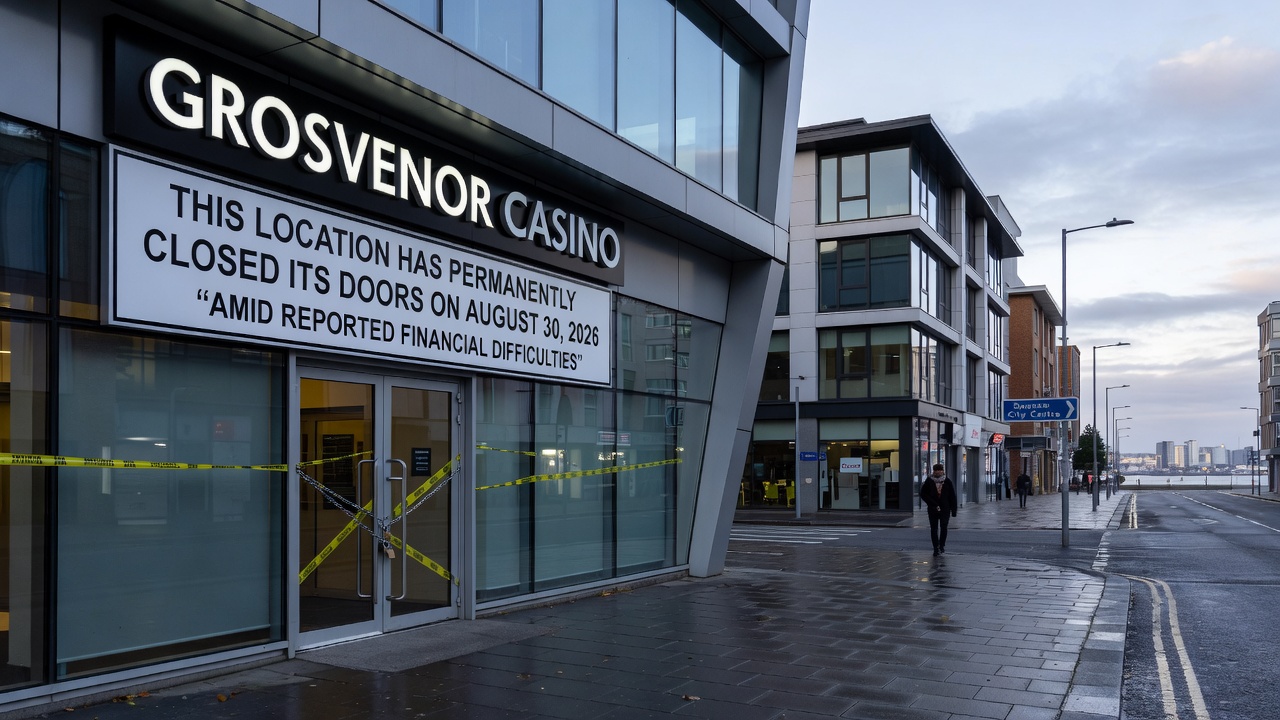
The Grosvenor Casino in Swansea, Wales, permanently closed its doors on August 30, 2026, following an operating loss of £73,000 for the year ending June 28 and revenue that fell £635,000 short of budget targets. Staff members continue to dispute changes to their redundancy agreement terms, while the operator, part of the Rank Group, attributes the decision to rising operating costs that climbed 11 percent over three years alongside a long-term profitability decline of 107 percent over the previous decade.
This closure represents another reduction in the UK land-based casino sector for Grosvenor Casinos. The facility had operated for years in the city center, yet financial pressures mounted steadily as costs increased and revenue streams contracted. Those who track regional gaming operations note that the Swansea site joins several other Grosvenor locations that have faced similar outcomes in recent periods.
Financial Performance Behind the Decision
Figures for the year ending June 28 reveal the extent of the shortfall, with the operating loss reaching £73,000 and actual revenue missing budget projections by £635,000. Over three years, operating costs rose 11 percent, while profitability across the ten-year span dropped 107 percent. Observers point to these metrics as central factors that prompted the permanent shutdown, since the combination left the location unable to sustain ongoing operations.
The Rank Group, which oversees Grosvenor Casinos, linked the closure directly to these trends rather than short-term fluctuations. Data from industry monitoring groups shows that multiple land-based venues across the UK have encountered parallel challenges as fixed expenses grow and customer spending patterns shift. The Swansea case aligns with that broader pattern, where long-term erosion of margins leaves operators with limited options.
Staff Redundancy Dispute Unfolds
Following the August 30, 2026, closure announcement, staff members raised objections to adjustments in redundancy terms that differed from earlier agreements. Employees maintain that the revised package does not match the commitments discussed during initial consultations. The operator has stated that the changes reflect necessary adjustments given the financial position, yet negotiations remain ongoing into September 2026.
Those involved in the dispute highlight concerns over timing and compensation calculations, while company representatives emphasize compliance with legal requirements. Regional employment data from Welsh government sources indicates that casino closures of this scale affect dozens of positions, prompting workers to seek clarity on final payouts and support measures. The situation continues to develop as both sides engage in further discussions.
Broader Context for Rank Group Operations
Grosvenor Casinos forms part of the Rank Group portfolio, which has managed multiple UK venues over the years. The Swansea closure adds to a list of sites that have exited the market amid similar cost and revenue pressures. Industry reports from organizations such as the CDC Gaming network document these developments across the land-based segment, noting that operators face consistent headwinds from elevated expenses and changing consumer habits.
Additional data compiled by the European Casino Association tracks comparable trends in other European markets, where venues report parallel increases in operating costs and declines in net returns. The Rank Group has not announced immediate plans for the Swansea property, leaving the building vacant as of early September 2026. Local economic analyses suggest that such closures can influence surrounding businesses that relied on visitor traffic from the casino.
Looking Ahead in September 2026
As September 2026 progresses, the focus remains on resolving the redundancy terms for affected staff and assessing any residual financial obligations tied to the closure. The Rank Group continues to operate other Grosvenor locations across the UK, though the Swansea exit underscores the challenges facing physical casino sites. Figures released in the weeks after the shutdown confirm that the operating loss and revenue shortfall played decisive roles in the final decision.
Those monitoring the sector expect further updates on the redundancy negotiations, while the property itself stands empty pending future use. The events in Swansea illustrate how specific financial metrics, including the 11 percent cost rise and 107 percent profitability drop, translate into operational changes for individual venues.
Conclusion
The permanent closure of Grosvenor Casino Swansea on August 30, 2026, stems directly from documented financial results that showed an operating loss of £73,000, revenue £635,000 below target, and sustained increases in costs alongside falling profitability. Staff disputes over redundancy terms continue into September 2026, while the Rank Group cites these pressures as the basis for the shutdown. This development adds one more entry to the record of Grosvenor venues that have left the UK land-based market in recent years.