
Interface Influences on No-Deposit Roulette Strategies in Portable Casino Environments
Portable casino environments have transformed how no-deposit roulette strategies develop, since interface elements on mobile devices directly shape bet selection, timing, and risk management during bonus play. Researchers have documented that screen size, touch responsiveness, and menu navigation create measurable differences compared to desktop setups, while data from regulatory reports indicate these factors influence player behavior across regions. As of August 2026, newer device operating systems introduced refined gesture recognition that further altered how users interact with roulette wheels in no-deposit modes.
Touchscreen Layout and Betting Precision
Smaller displays force tighter spacing between betting zones, which requires users to adjust traditional strategies that rely on quick chip placement across multiple numbers. Observers note that button hitboxes on many portable applications sit closer together than desktop equivalents, leading players to favor inside bets or single-number wagers because those selections demand fewer precise taps. Studies compiled by the Nevada Gaming Control Board show that touch latency above 150 milliseconds correlates with reduced use of outside bets like red-black or high-low combinations during limited no-deposit rounds.
Interface designers often place the spin button near the bottom edge to accommodate one-handed use, yet this positioning can interrupt the flow of sequential betting patterns that experienced players prefer. Those who study mobile gambling patterns report that users frequently switch to simpler column or dozen bets when repeated mis-taps occur on crowded layouts. Such adaptations emerge naturally from the physical constraints rather than from any planned approach.
Visual Feedback and Decision Timing
Color contrast, wheel animation speed, and result display duration affect how quickly participants process outcomes and adjust their next moves in no-deposit sessions. Faster wheel spins paired with immediate payout notifications encourage shorter decision windows, whereas slower animations allow more time to review chip stacks before committing additional bonus credits. Evidence from academic research at the University of Nevada, Reno indicates that delayed result screens increase the likelihood of players sticking with the same betting pattern for additional rounds instead of experimenting with new combinations.
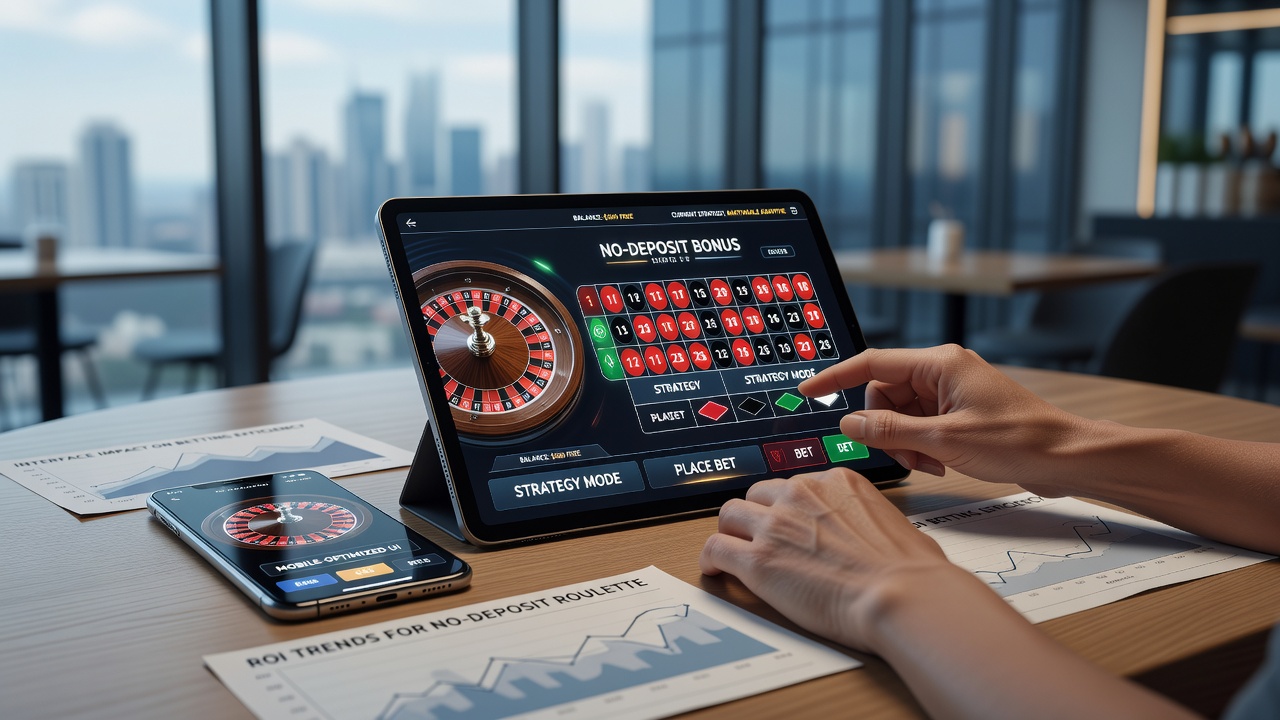
Notification overlays that appear after each spin sometimes cover key areas of the betting grid, which forces users to dismiss messages before placing follow-up wagers. This extra step can shift focus away from progressive strategies that require tracking previous results across multiple spins. Portable applications that minimize such interruptions tend to support more consistent application of no-deposit approaches that rely on pattern recognition.
Gesture Controls and Strategy Adaptation
Modern portable devices incorporate swipe and long-press gestures that replace traditional button presses for chip selection and placement. These controls reduce the number of screen taps needed but introduce new variables, since accidental swipes can change bet values mid-round. Data collected through industry monitoring programs reveal that users adapt by pre-selecting chip denominations before entering the roulette table, thereby limiting exposure to unintended modifications during active play.
August 2026 updates to mobile operating systems added pressure-sensitive touch layers that register varying levels of finger force, allowing some applications to offer quick-bet shortcuts based on press intensity. Players accustomed to older interfaces often revert to standard taps, which can slow their overall pace compared to those who adopt the new shortcuts. Such differences appear most clearly in no-deposit environments where bonus credit limits make each decision carry greater weight.
Connectivity and Session Continuity
Network stability directly affects whether strategies survive across multiple spins without interruption, since dropped connections reset the interface state and discard unsaved bets. Portable casino applications that cache recent actions locally help maintain continuity, yet not all platforms implement this feature equally. Reports from Canadian regulatory bodies highlight that regions with variable mobile coverage experience higher rates of strategy abandonment when sessions disconnect mid-round.
Auto-reconnect features sometimes restore the wheel to the last known position, which preserves the visual sequence but may not retain the exact chip configuration users had prepared. Those monitoring player retention statistics note that seamless reconnection correlates with continued use of planned betting sequences rather than random adjustments after reconnection.
Conclusion
Interface design elements in portable casino applications shape the practical execution of no-deposit roulette strategies through layout constraints, visual timing, gesture mechanics, and connectivity handling. Regulatory data and academic observations confirm these influences operate consistently across different markets, with device capabilities and software updates continuing to modify how players approach limited-credit sessions. Continued monitoring of interface changes remains essential for understanding evolving patterns in mobile roulette environments.