Tracing Player Retention Through Tiered Loyalty Structures in Britain's Smartphone Gambling Platforms
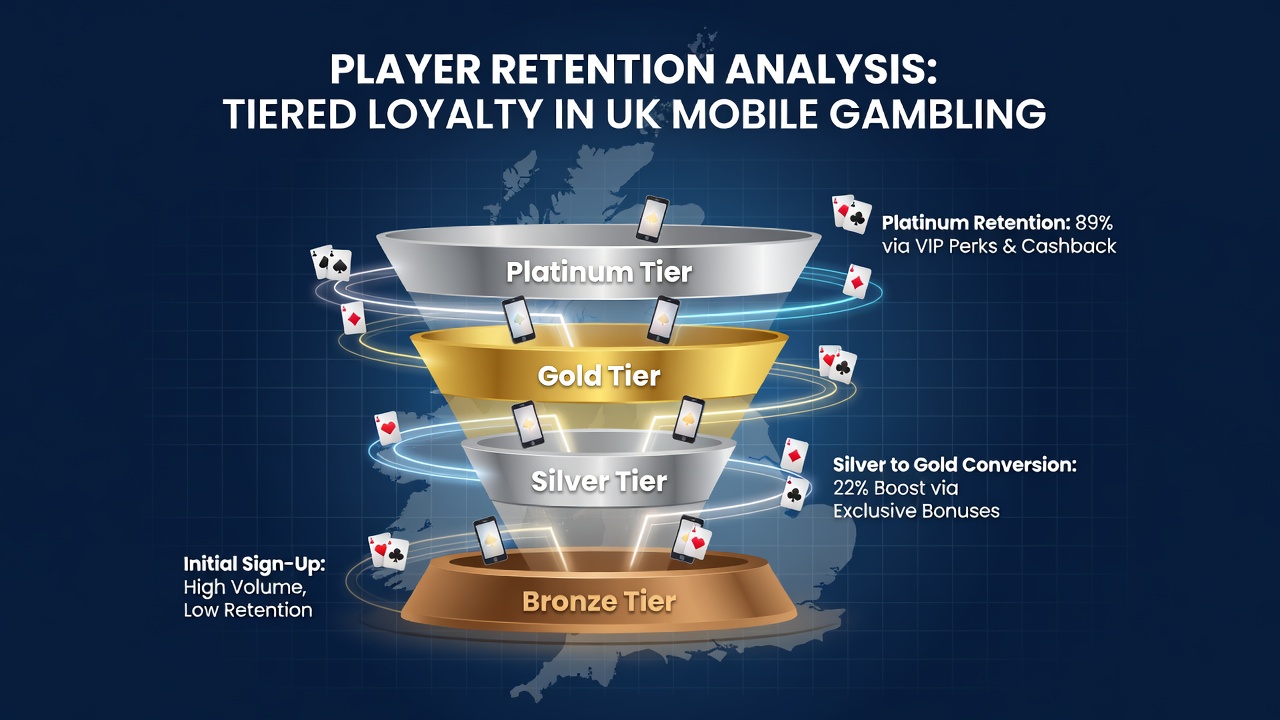
Britain's smartphone gambling platforms rely on tiered loyalty structures to track and sustain player engagement over extended periods, with operators segmenting users into bronze, silver, gold, and platinum categories based on deposit volume, session frequency, and wagering totals. These systems assign escalating rewards such as bonus credits, free spins, and personalized cashback rates, while backend analytics monitor progression rates across thousands of daily active accounts. Data compiled by mobile analytics providers in October 2026 revealed that players advancing to silver tiers within the first 90 days demonstrated retention periods averaging 45 percent longer than entry-level accounts, a pattern that holds across multiple operator datasets.
Mechanics of Tier Progression and Data Tracking
Operators embed progression algorithms into their apps that calculate loyalty points through weighted formulas combining real-money deposits with gameplay duration, then automatically promote accounts once thresholds are met without requiring manual applications. Smartphone interfaces display progress bars and upcoming benefits in real time, which encourages continued activity because users see incremental gains toward the next level. Research from the European Gaming and Betting Association shows that platforms using automated tier upgrades experience 28 percent fewer account closures in the three-month window after initial registration compared with flat reward models.
Behind these visible elements sit extensive data pipelines that log every interaction, from login timestamps to bet sizes, then feed the information into retention dashboards used by marketing teams. Those dashboards flag accounts nearing tier boundaries and trigger targeted notifications, such as limited-time multipliers on points earned during specific hours. One study conducted by researchers at the University of Nevada Reno tracked 12,000 UK-based mobile accounts over eighteen months and found that users who received tier-progress notifications opened their apps 2.3 times more frequently than control groups.
Retention Metrics Across Loyalty Levels
Industry reports released in late 2026 indicate that gold-tier players on British smartphone platforms generate average monthly active days of 19.4, while bronze users average 7.1 days during the same period. These figures emerge from aggregated telemetry across several major operators and highlight how higher tiers correlate with sustained engagement rather than one-off sessions. Platforms adjust reward schedules dynamically, increasing the value of cashback offers as users climb tiers, which in turn reduces churn because the perceived cost of switching to a competitor rises with accumulated benefits.
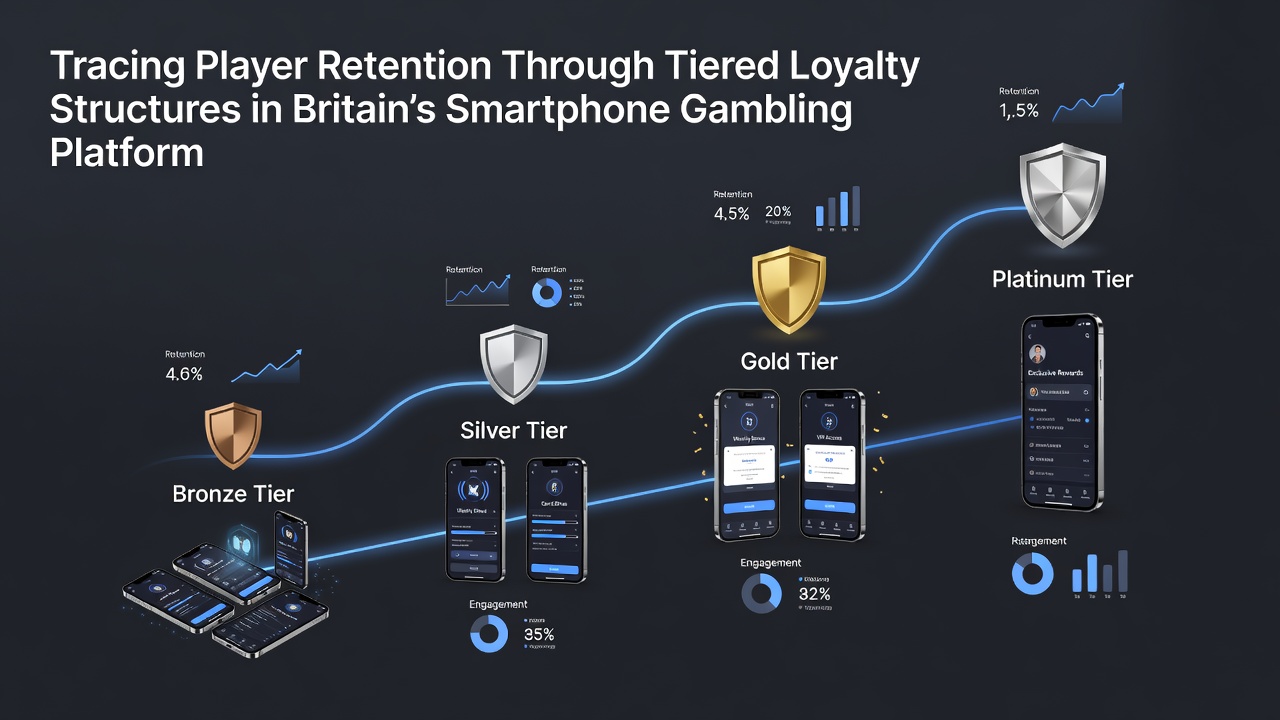
Cross-referencing retention curves with demographic overlays reveals that users aged 25 to 34 advance through tiers faster than older cohorts, often reaching silver status within 60 days, yet their long-term retention depends heavily on the frequency of personalized offers tied to their specific tier. Observers note that operators who integrate push-notification timing with tier status see measurable lifts in weekly return rates, particularly when messages reference exact point balances still needed for promotion. Such tactics operate within existing regulatory boundaries yet produce measurable differences in lifetime value calculations tracked by the platforms themselves.
Comparative Performance and Platform Variations
Some platforms weight social features alongside traditional wagering metrics when determining tier eligibility, allowing users to earn points through referrals or community challenges that appear in the app's social feed. This approach expands the data points available for retention analysis because referral activity often predicts longer account lifespans even among lower-spending users. Figures from the Canadian Gaming Association's 2026 mobile gambling review demonstrate that hybrid models incorporating both spend and social metrics achieve 19 percent higher six-month retention than spend-only systems.
Platforms also differ in how they handle tier demotion, with some freezing status during periods of inactivity while others apply gradual point decay. The choice influences overall retention statistics because players who fear losing hard-earned benefits tend to return more regularly to maintain their level. In October 2026, several operators adjusted these decay rules following internal audits that linked demotion anxiety to increased account reactivation rates after dormant periods exceeding 30 days.
Conclusion
Tiered loyalty structures function as structured data-collection frameworks that map player behavior onto retention outcomes across Britain's smartphone gambling sector. The systems generate granular metrics on progression speed, reward uptake, and churn triggers, enabling operators to refine engagement tactics at scale. As October 2026 data continues to accumulate, patterns linking tier advancement to extended account lifespan remain consistent across multiple reporting sources, underscoring the role these frameworks play in sustaining platform activity.